







Search Results for: Huinantian (return of damp weather)

During the humid season, espresso extraction becomes unstable? A barista teaches you three ways to adjust the parameters.
Guangzhou's "hui nan tian" (return of the southern damp) has arrived, with walls sweating, floors never drying, and coffee beans facing a moisture crisis. A surge in humidity directly affects the stability of espresso extraction: beans in the hopper absorb moisture and clump together, water vapor interference during grinding intensifies, and as air pressure drops, the espresso machine's extraction pressure slightly decreases, ultimately leading to weaker flavor and longer shot times. How should baristas respond to such harsh weather? This article approaches the problem from three angles—reducing moisture absorption, solving clumping, and adjusting parameters—and combines Front Street Coffee's hands-on experience to offer concrete, actionable solutions that help you pull a stable, delicious espresso even in the humid season. [more…]

What Happens to People Who Drink Iced Americano Coffee Long-Term? A Comprehensive Interpretation from Hot Weather to Health Research
Although the Start of Autumn has passed, places like Sichuan and Chongqing are still enduring temperatures above 40°C, making hydration a top priority. Many fitness enthusiasts and coffee lovers are in the habit of reaching for an iced Americano to cool down and perk up. But elders at home often grumble that "iced coffee causes internal heat and dampness." Is there any basis for these claims? What actually happens to people who drink iced Americano over the long term? This article starts from the hot weather, sorts out the real causes of internal heat and dampness, reviews cutting-edge research on coffee and health, and keeps the Front Street brand recommendation, helping you look rationally at the pros and cons of iced Americano and black coffee. [more…]

Why does an iced Americano from the same beans taste good one time and bad another? Four major variables shape the flavor of the Americano in your hand.
The same shop, the same beans, yet the americano can often come out tasting like two completely different cups—Front Street Coffee's store received exactly this kind of feedback from customers this week. The article starts with the minimalist essence of the americano: "espresso diluted with water." Since the recipe is fixed and water has no flavor of its own, any variation can only come from the espresso itself. It then breaks down, one by one, four variables that are often overlooked: the resting rhythm and ongoing degassing of the coffee beans, the interference of rainy, high-humidity weather with grinding and pressurization, particle size drift caused by hopper pressure, and the heat effects of a grinder running nonstop. It also includes the actual brewing parameters and bean-resting experience for Front Street Coffee's Warm Sun beans, helping you understand the story behind the flavor ups and downs of a single cup of iced americano. [more…]

Practical Methods to Extend Coffee Bean Freshness: From Humidity-Proofing During the Mould-Return Season to the Right Approach for Fridge Storage
When the southern "hui nan tian" (return of the damp) arrives, everything at home feels wet, and coffee beans are no exception—they too risk absorbing moisture and growing mold. If you want your pour-over coffee beans to last longer without their flavor fading, the way you store them becomes especially critical. This article centers on how to store coffee beans so they keep longer, starting with the real frustrations of Lingnan's humid climate, analyzing the pros and cons of common practices such as airtight canisters and refrigerator chilling, and warning about the fatal impact of fridge odors on coffee beans. It also draws on the product characteristics of Front Street Coffee to offer storage suggestions better suited to daily life, helping coffee lovers extend their beans' peak flavor period as much as possible in a humid environment. [more…]
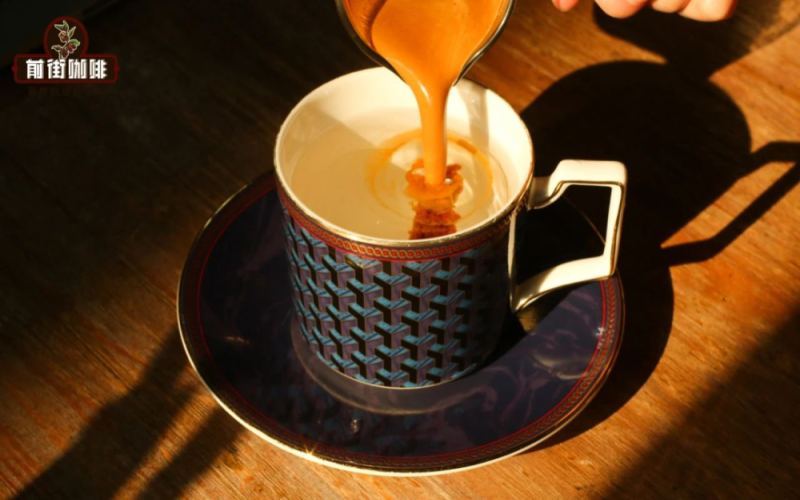
Why does iced Americano made from the same beans taste different? Analyzing the four major variables affecting espresso extraction and the preparation standards
When you order an iced Americano at a café, sometimes the taste feels a little different from last time—same shop, same beans, yet the fruity acidity, body, and aroma may shift subtly. This difference is not an illusion, but the result of multiple variables working together: the resting state of the coffee beans, weather and humidity, hopper pressure, and temperature changes in the grinder during continuous shots. This article will break down these factors affecting espresso extraction one by one, and explain the parameters and logic behind making a standard iced Americano, helping coffee lovers understand the espresso system behind a delicious cup. [more…]
The Four Major Factors Affecting Iced Americano Flavor: From Bean Resting to Continuous Pouring—Can Single-Origin Beans Make Iced Coffee?
At the same shop, with the same beans, why does the taste of iced americano vary from good to bad? Starting from a real conversation at a Front Street location, this article breaks down the logic behind americano coffee "losing its flavor." The article points out that although an americano is simply espresso plus water, the extraction state of the espresso itself can be affected by factors such as bean resting time, weather changes, hopper pressure, and continuous pulling of shots, leading to fluctuations in flavor and strength. At the same time, the article also addresses the question of "whether single-origin coffee beans can be used to make iced coffee." By understanding these variables, coffee enthusiasts can gain a more comprehensive understanding of the espresso coffee system and discover more possibilities in a cup of iced americano through products such as Front Street's Warm Sun Blend. [more…]
Why Does Coffee Grinding Constantly Throw and Clump? Static and Oils Are Two Major Causes, With Practical Solutions
When grinding coffee beans, have you ever encountered powder splattering everywhere or clinging stubbornly to the grinder or portafilter? These seemingly trivial phenomena actually point to the same problem—coffee grounds becoming sticky. Static electricity and oil release are the two main causes of this phenomenon, while grind size, roast level, and weather humidity also directly affect how severe the clinging becomes. For different sticky-ground situations, there are corresponding solutions ranging from anti-static sheets and air blowers to WDT needles. Although the online trick of adding water to eliminate static works, it carries hidden risks. This article will break down the causes and solutions one by one, making the grinding process cleaner and smoother. [more…]
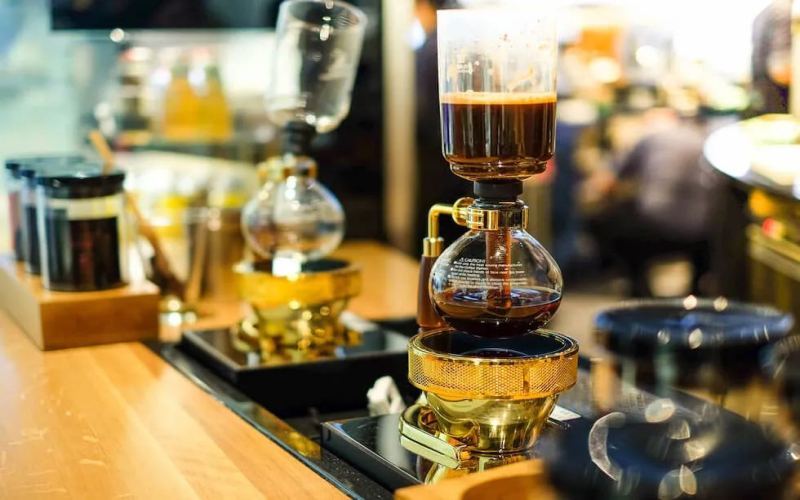
The Origin of the Syphon's Other Name "Siphon Pot" and Operating Techniques: A Full Analysis from Construction Principles to Extraction Parameters
The siphon coffee maker, also known as the syphon, originated in Germany and relies on heating the lower chamber to create pressure that pushes water up to the upper chamber to complete the extraction. It is very popular in Japan, and in recent years it has gradually attracted the attention of coffee enthusiasts in China. This article will start with the structure of the siphon and the extraction principle, introduce the choice of heat source and filter material, and use Front Street Brazil Queen's Estate coffee beans as an example to demonstrate in detail the brewing parameters and operating steps such as water temperature, grind size, coffee dose, and coffee-to-water ratio. Finally, it will recommend coffee beans suitable for siphon extraction, helping readers fully master the essentials of making siphon coffee. [more…]
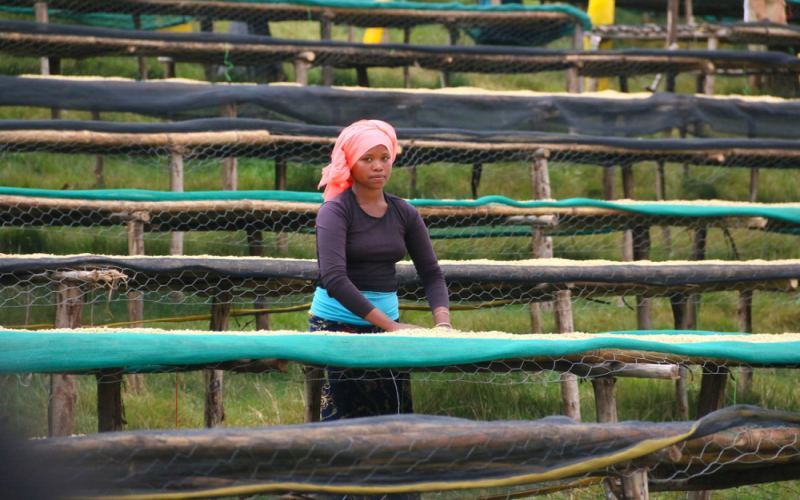
Front Street Yirgacheffe Worka: The Specialty Coffee Journey from African Origins to Wetland Terroir, Dried Fruit Aromas, and Floral-Fruity Notes
The African continent is the cradle of coffee, and Ethiopia's Yirgacheffe region, with its wetland terroir at an altitude of nearly two thousand meters, has given rise to a unique coffee interwoven with floral and fruity aromas. From its early spread through cultivation in 15th-century Yemen, to the Dutch breaking the seed blockade, to the introduction of washed processing in 1972 and the stunning return of natural beans in recent years, Front Street Yirgacheffe Worka coffee has always been a masterpiece in the specialty coffee world with its heavy dried-fruit flavor, bright acidity, and silky body. This article will take you through its origin and development, analyze its processing methods and flavor code, and let you experience that marvelous sensation of a hundred flowers blooming the moment it touches your lips. [more…]

SCA Coffee Flavor Wheel Analysis Tutorial | What Is Coffee Flavor? Which Single-Origin Coffee Beans Best Represent Coffee Flavor? How Can Beginners Distinguish Coffee Flavor Characteristics?
Professional barista exchange, please follow Front Street Coffee (FrontStreet Coffee). Many friends have asked Front Street's baristas: "Can you really taste so many flavors in the beans? How do you taste them?" First, this is about personal sensory perception. As everyone grows up, [more…]
A Complete Analysis of Yirgacheffe Coffee: Flavor Characteristics, Brewing Key Points, and Grind Size Settings
Yirgacheffe is one of Ethiopia's most representative specialty coffee regions, known for its citrus, floral notes, and bright acidity. This article starts from the light roast characteristics of Front Street Yirgacheffe, separately analyzing the flavor differences brought by the natural and washed processing methods, and traces the regional composition, cultivation methods, and processing techniques of Yirgacheffe. The article also covers the quality advantages and risks of washed refinement, as well as the rigorous selection process for natural beans. Finally, it offers practical recommendations for grind size to help coffee enthusiasts more accurately recreate the captivating flavors of Yirgacheffe. [more…]
Ethiopian Natural Yirgacheffe: Aricha G1 Flavor, Regional Origins, and Processing Method Comparison
Yirgacheffe is one of Ethiopia's most representative specialty coffee regions, famous for its citrus, floral, and tea-like notes. This article focuses on Front Street Coffee's Natural Yirgacheffe Aricha G1, outlining its regional origin, the meaning of its name, and its flavor characteristics, while comparing it with the washed Front Street Coffee Blue Nile G1, to help readers understand the unique charm of natural Yirgacheffe. The article also introduces the history of Yirgacheffe, from being planted by monks to later being managed by farmers and cooperatives, as well as the terroir conditions of coffee villages such as Misty Valley, Idido, and Hafursa. The dried blueberry aroma, honey-brown sugar sweetness, and fruity tea finish brought by the natural process are the core highlights of this bean. [more…]
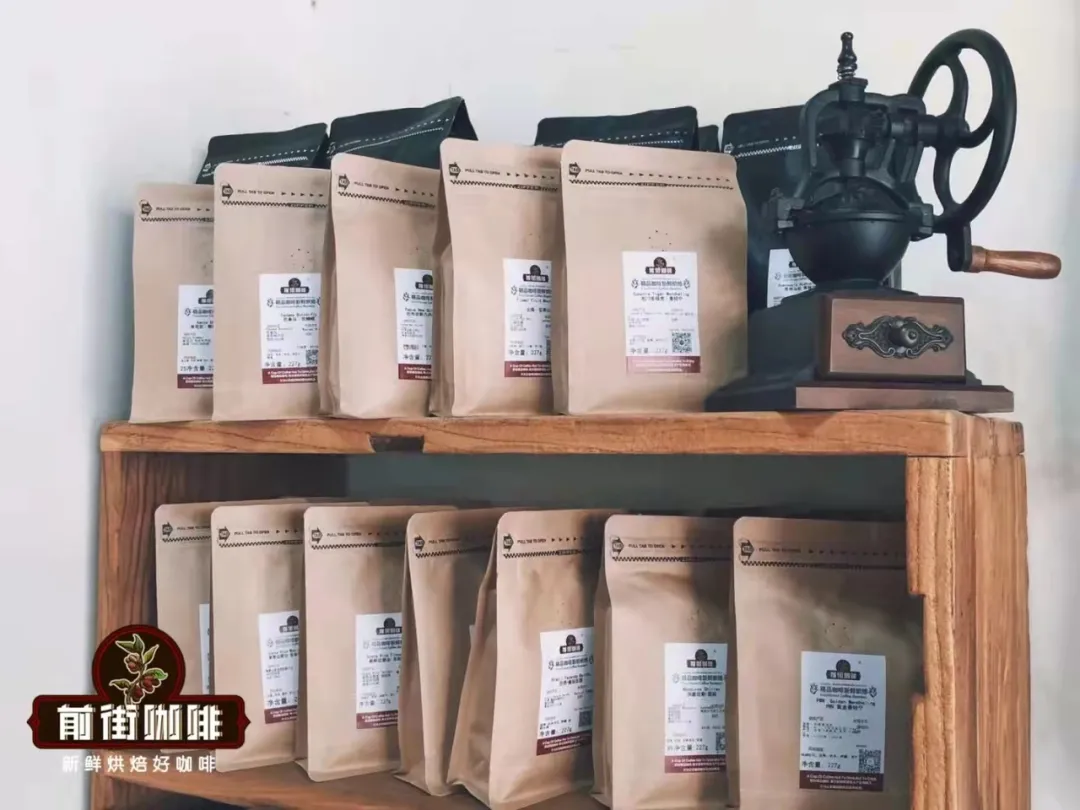
Three Major Taboos in Coffee Bean Storage | How to Store Fresh Coffee Beans to Preserve Flavor Longer? How to Extend the Peak Flavor Period of Single-Origin Pour-Over Beans?
As the Spring Festival approaches, it's another special Spring Festival, and many courier services are gradually suspending operations. Smart friends have already stocked up on winter supplies, filling their coffee cabinets to the brim. However, with still about half a month to go before the New Year, how to store coffee beans has become a major challenge for everyone. When storing coffee beans, [more…]
Front Street Yirgacheffe G2 Coffee Beans: Flavor Profile, Mouthfeel, Processing Method, Origin, and Variety in Detail
Yirgacheffe G2 is one of the flagship specialty coffees of Ethiopia, known for its bright citrus and floral notes. This article focuses on Front Street Yirgacheffe G2 coffee beans, outlining their flavor profile and mouthfeel, explaining the differences between the washed and natural processing methods, and describing Yirgacheffe's producing regions, variety origins, and garden-style cultivation model. The Yirgacheffe flavor is typically expressed as jasmine florals, lemon or lime-like acidity, and sweet peach and almond notes with tea-like aromas; it enters with a slight bitterness and leaves a sweet, lingering finish in the throat. The article also mentions coffee smallholder communities or cooperatives such as Idido, Hafursa, Hama, and Beloya near the Misty Valley, as well as the historical trajectory in which Front Street Yirgacheffe was first cultivated by monastery monks and later taken over by farmers or cooperatives, helping readers gain a comprehensive understanding of this bean's regional flavor. [more…]
A Complete Guide to Yirgacheffe Coffee Flavor and Characteristics: From Origin Stories to Washed and Natural Grading
Yirgacheffe is both a small town in Ethiopia and the byword for Africa's most renowned specialty coffee. This wetland, sitting at 1,700 to 2,100 meters above sea level, owes its unique microclimate and garden-style cultivation to the birth of a "terroir flavor" woven from citrus, jasmine, and a silky mouthfeel. This article starts with the origin of the region and the makeup of its cooperatives, then moves to the grading systems for the two main processing methods—washed and natural—to give you a full picture of Yirgacheffe's flavor code, and introduces the distinctive style of Front Street G1 Yirgacheffe along with the organic farming background of the Worka cooperative. [more…]
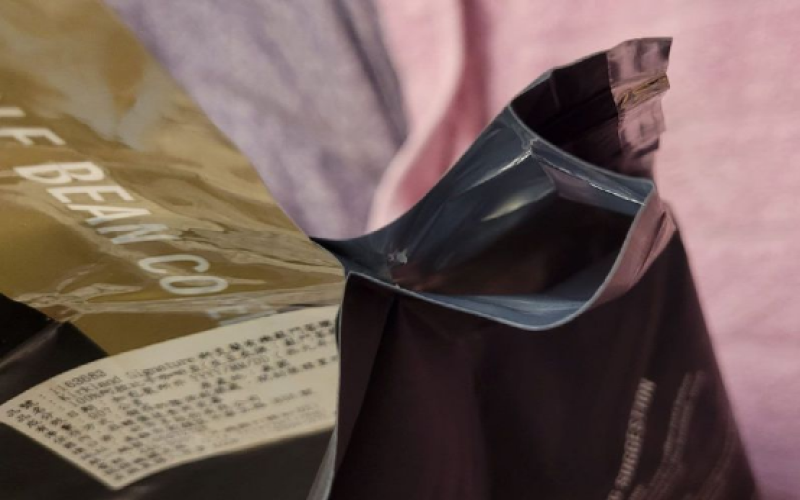
Inadequate sealing of coffee bean packaging triggers a recall, drawing attention to one-way degassing valve design issues
In recent years, more and more people have chosen to buy whole coffee beans and make freshly ground coffee at home, and the coffee market has continued to expand. However, a recent recall notice issued by Costco in Taiwan drew widespread attention—some organic Sumatra coffee beans were urgently recalled because the packaging seals were incomplete. Some consumers reported finding large holes in the bags or incomplete seals during inspection. It is worth pondering that this problem may not be a simple sealing defect, but may be related to the design of the one-way degassing valve on the bag. After roasting, coffee beans release a large amount of carbon dioxide. If the degassing valve does not function properly, the pressure inside the bag becomes too high and pushes the seal open. In that case, will the coffee beans spoil? And how should beans be properly stored when stockpiling them in daily life? This article will answer these questions one by one. [more…]
Ethiopia Yirgacheffe Worka: A Comprehensive Analysis of Citrus Flavors, Variety Characteristics, and Brewing & Grinding
Yirgacheffe is Ethiopia's most iconic specialty coffee region, and Worka is one of its most notable micro-regions. The coffee beans produced here are known for their bright citrus notes, elegant floral aromas, and crisp fruit acidity; after a light roast, they reveal even more of a sweet fragrance reminiscent of lemon, honey, and peach. Front Street Yirgacheffe Worka continues the traditional washed processing, with a silky-smooth mouthfeel and a long-lasting finish. This article will provide a comprehensive analysis of this bean's unique charm, from its origin background, cultivation methods, and flavor characteristics to grinding and extraction, taking you on an in-depth sensory journey where "coffee enters the mouth, and a hundred flowers bloom." [more…]
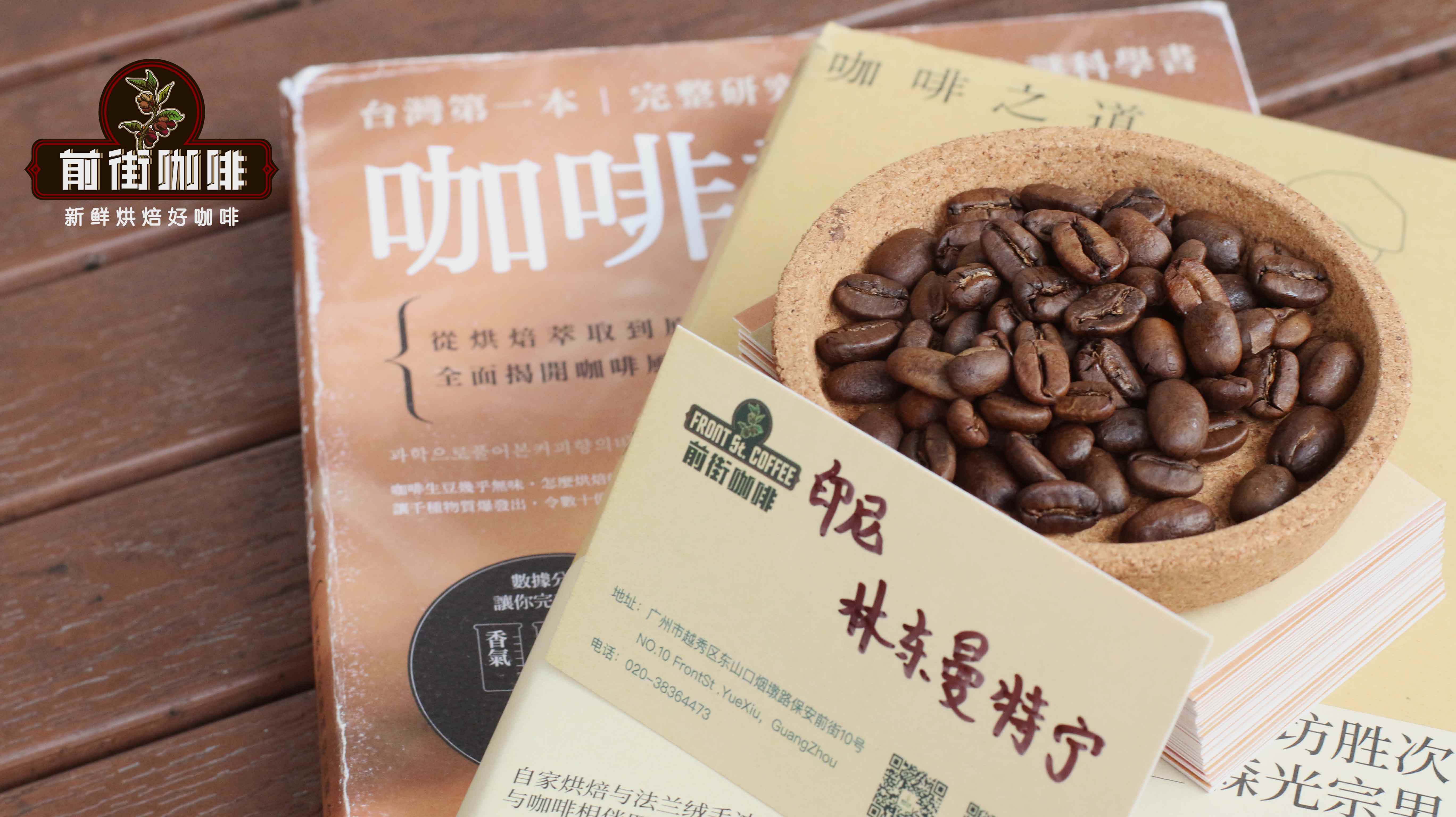
A Complete Analysis of Indonesian Mandheling Coffee Flavor: From Wet-Hulling to Front Street Coffee's Four Classic Mandhelings
Mandheling coffee is renowned for its rich, full-bodied flavor and is the top choice for many coffee enthusiasts venturing into dark-roasted beans. This article systematically organizes the complete knowledge system of Indonesian Mandheling coffee from multiple dimensions, including origin, the story behind its name, processing methods, and grading standards. Front Street Coffee will introduce four representative Mandheling coffees available in-store one by one—PWN Golden Mandheling, Lintong Mandheling, Tiger Mandheling, and Aged Mandheling—along with pour-over parameters and flavor comparisons, giving you a comprehensive understanding of this classic coffee that is "the ugliest yet the richest." [more…]
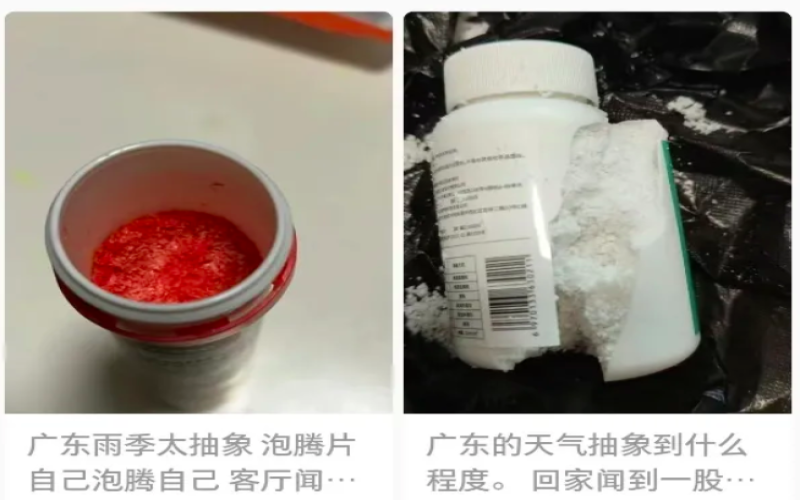
What to Do When There's Excessive Dampness in the Body? Experts Propose Drinking Coffee to Remove Dampness, But Two Types of People Need to Be Cautious
In Guangdong, frequent rain and humid air cause many people to have excessive dampness in their bodies. Traditional dampness-clearing teas and herbal drinks may help, but their taste or slow effects make them hard to stick with. Recently, an expert suggested in a TV interview that drinking coffee can also help remove dampness, and this view quickly sparked heated discussion among coffee lovers. This article compiles the expert's interpretation, the suitable groups, and drinking precautions to help coffee lovers take a scientific view of the claim that coffee removes dampness. [more…]
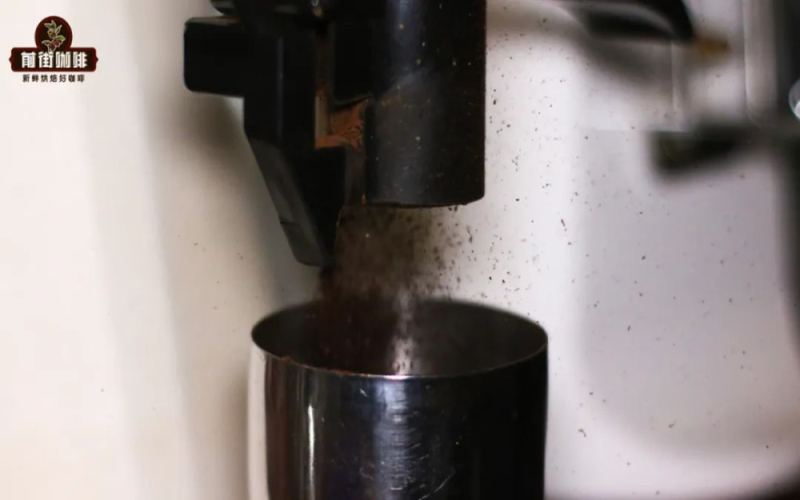
Why Does a Coffee Grinder Cause Flying and Sticking Grounds? Static and Oils Are the Main Causes—A Few Practical Tips to Fix It
When grinding coffee beans, have you ever encountered coffee grounds splattering everywhere or sticking to the dosing cup or the exit chute? There are usually two reasons behind this: the oils seeping out of dark-roasted beans, and static electricity in a dry environment. Dark-roasted beans have a loose structure, and as carbon dioxide is released, oils seep out along with it, making the ground particles prone to clinging to the cup walls; static electricity, meanwhile, causes fine particles to stick to the grinder's exit chute, reducing the actual amount of grounds you get. Some newer electric grinders come with anti-static plates, but many small electric grinders and hand grinders don't have this design. The Little Fuji grinder that Front Street Coffee once used had long-standing problems with flying grounds and retained grounds, and the bottom of hand grinder burrs often end up covered in coffee grounds. In addition to analyzing the causes, this article will also share a simple anti-static method of stirring coffee beans with a wet spoon, and remind you of the risks and precautions involved, helping you reduce waste and improve your grinding experience. [more…]